Milan Spotlight: A National-Register Main Street, the River Raisin, and the Late-2026 Market Near $300,000
Milan on the Washtenaw-Monroe county line: a National Register Main Street, the River Raisin and Wilson Park, Milan Area Schools, a 20-to-25-minute commute to Ann Arbor on US-23, and a late-2026 market where the median sale price sits near $300,000 and homes close at essentially full asking.
No. 06 · Neighborhood Spotlight
Milan is the small city that brings the whole Ann Arbor commute into one move: a National Register Main Street, the River Raisin running through town, and a late-2026 market where the median sale price sits near $300,000 and homes close at essentially full asking. About 20 to 25 minutes south of Ann Arbor on US-23, it is also the town on the NEST list that literally straddles two counties. This post walks through what the city offers, what the current numbers say, and where to start if it just moved up your list.
Where Milan sits, and the shape of the town
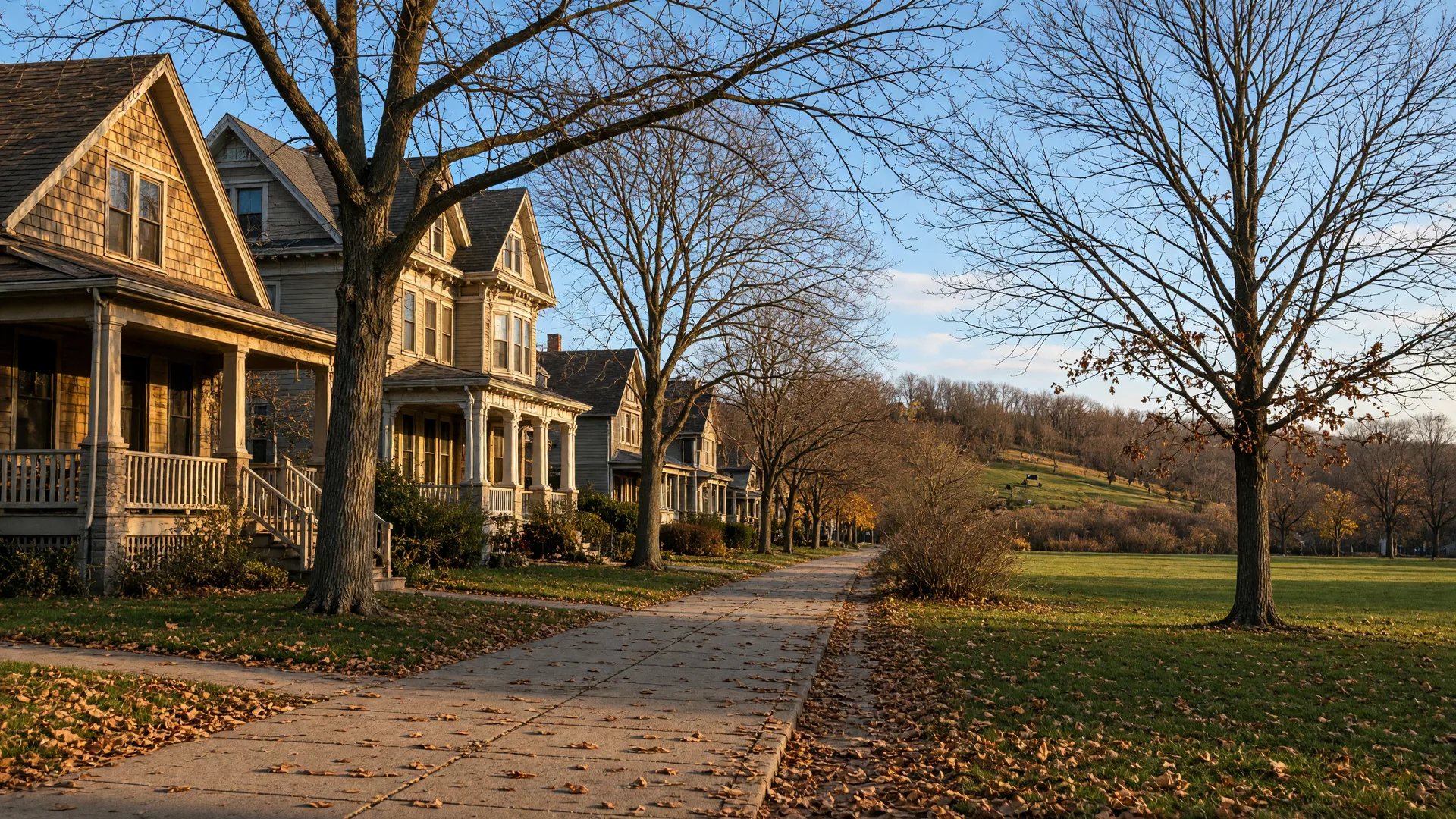
Milan sits on the Washtenaw-Monroe county line about 15 to 17 miles south of Ann Arbor, a roughly 20-to-25-minute drive up US-23 that reaches the University of Michigan campus and Michigan Medicine a few minutes past downtown. The 2020 census counted 6,079 residents, which makes it the most compact town on the NEST list, and the residential mix runs from 19th century homes near Main Street to postwar bungalow and ranch blocks and newer subdivisions and acreage lots on the edges. Because the town straddles the county line, the tax structure a home carries, county millage included, depends on which county its parcel sits in, so the millage is a per-property number here, not a citywide one.
A Main Street on the National Register, and the everyday lineup
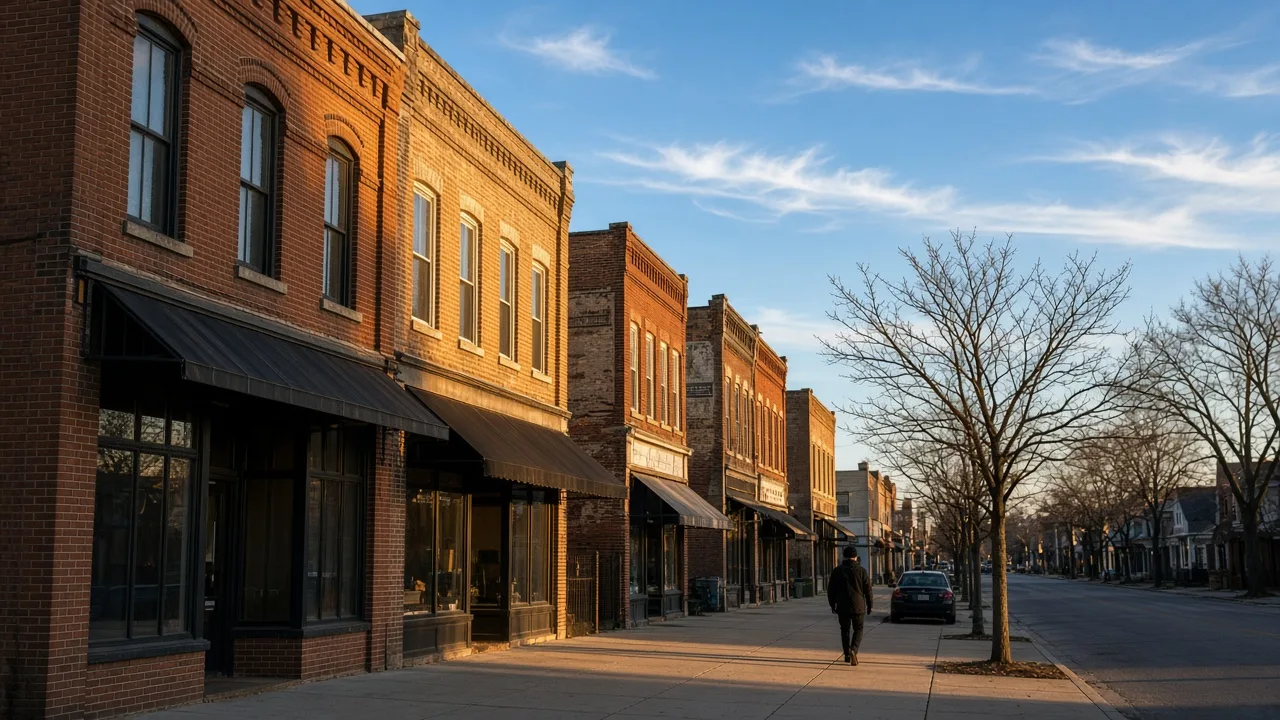
Milan's commercial core, the Main Street Historic District, was listed on the National Register of Historic Places in 1999 and runs about three blocks with roughly 92 parcels and 37 first-floor storefronts. The town started in 1831 as a settlement called Tolanville and grew as a milling and farm-trade center along the Saline River, got its industrial push when the Ann Arbor Railroad arrived in 1878 and the Wabash Railway in 1880, and incorporated as a city in 1967. Those three blocks of brick storefronts are the whole downtown: Life is Sweet Bakery & Cafe at 42 East Main Street is the coffee-and-pastry anchor, Peppers Mexican Grill at 39 East Main and J.D.'s Pizza & Grinders Express at 37 East Main sit next door, and Roy's BBQ & Burgers at 25 Wabash Street, Fenders Bar & Grill at 20 Wabash Street, and JR's Restaurant on Dexter Street round out the block. The Michigan Main Street program's 2021 impact report counted 9 restaurants and 17 retail stores in the district, which for a town of about 6,000 is a full daily lineup, not a weekend-only one.
The River Raisin, Wilson Park, and the trail network
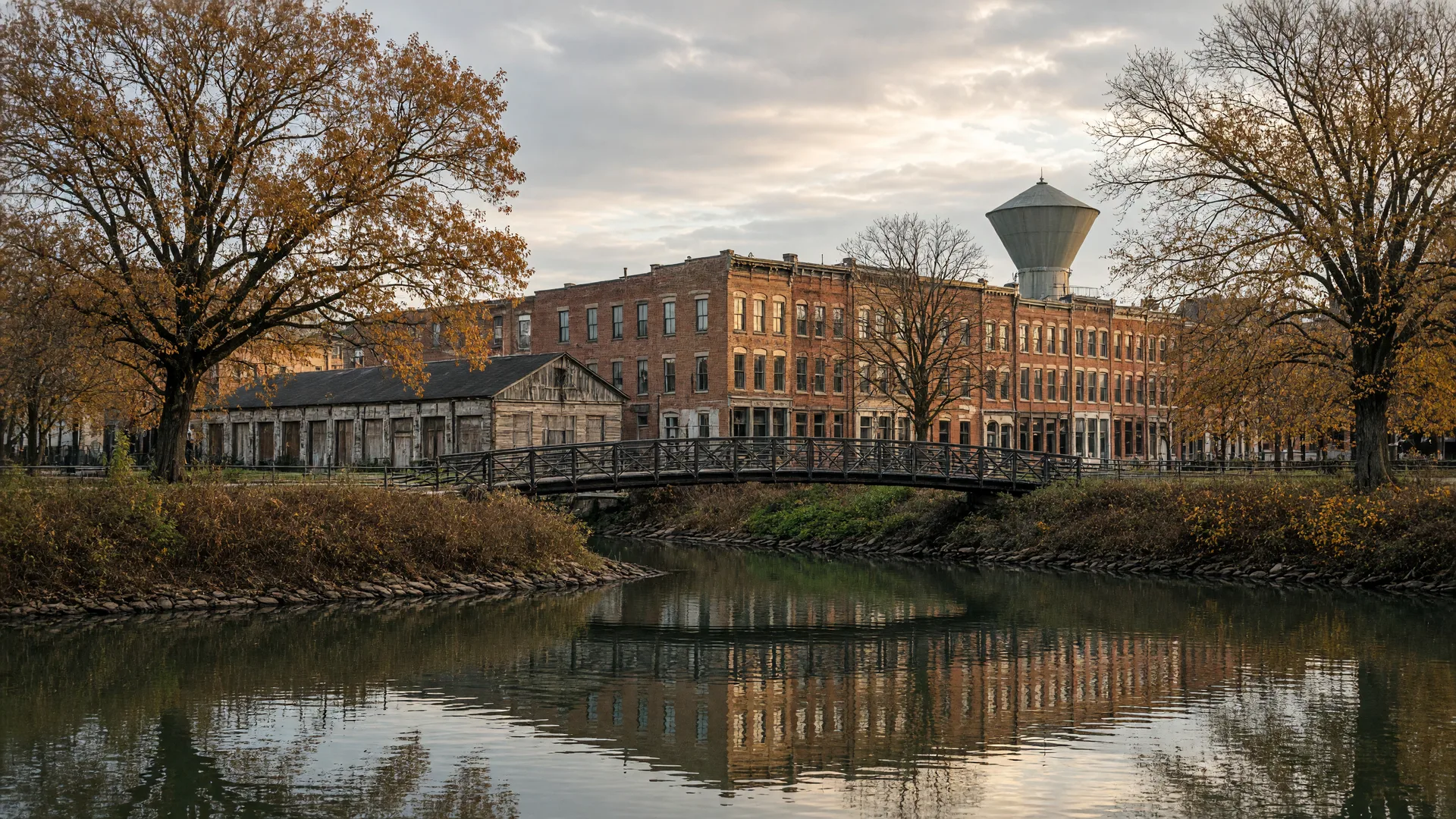
The River Raisin runs through the middle of Milan, and the town's parks are built around it. Wilson Park, the city's largest, holds baseball diamonds, soccer fields, a skate park, playgrounds, and a riverside walking path, while the Mill Pond and Swift Run parks add dog areas on the north and west edges. The river itself draws anglers and casual kayakers and canoeists through the summer, and the trail story keeps improving: the Border-to-Border Trail network connects east toward Ann Arbor, and the Mike Levine Lakelands Trail State Park is a short drive away, giving residents gravel and paved rail-trail options beyond the city limits. It is the outdoor version of the downtown: compact, usable, and a bigger part of daily life than the town's size suggests.
The school district picture
Milan Area Schools serves the city and surrounding areas, running six buildings with about 1,861 students. The structure runs Paddock Elementary for Young 5s through first grade, Symons Elementary for second through fourth, Milan Middle School for fifth through eighth, and Milan High School for ninth through twelfth, with a separate alternative education program. Assignments follow address, and because the city sits in two counties, the district boundary questions are worth confirming for each specific home rather than assuming a one-size answer.
Milan's late-2026 market, by the numbers
Milan's late-2026 pricing data splits by source and by listing-versus-sold, but the figures land in a tight band. Realcomp MLS data for September put the median sold price at $300,000 on a typical range of about $225,500 to $345,000, with homes closing at 99.7 percent of asking. Zillow's typical home value for the 48160 ZIP sits near $303,376, up 2.6 percent year over year, with a median list price near $287,250. Realtor.com showed a September median listing near $292,000 at about $182 per square foot, down 2.5 percent month over month, and Movoto's November refresh put the median list price near $317,000, about 7 percent below a year earlier. The honest read: prices roughly flat to modestly lower than last year, with homes selling at or very near list price.
Inventory is the sharper story. Realtor.com counted about 21 homes for sale in late September, up 10.6 percent month over month, while Zillow showed around 40 active listings, and new listings are the constraint: only about six hit the market in September 2026, roughly half of the same month last year, and year-to-date new listings ran about 82, down 21 percent from 2025. Days on market tell the same story: Realtor.com's median ran 44 days in September, up about 16 percent month over month, and Movoto's November figure came in near 62 days. So Milan is a low-volume market at a mid price point: few new options each month, homes near a market-clearing price, and a month or two of patience built into the pace.
What the numbers mean if you are buying in Milan
- Get pre-approved before you tour. At a median near $300,000 with 30-year rates still around 7 percent, the monthly payment decides what fits, and low volume means the right home may not come up again soon; pre-approval is what lets you move.
- Expect to pay near full asking. September homes closed at 99.7 percent of list price, so budget for a market-price offer, not a discount; the negotiation is in terms and inspection, not price.
- Widen the timeline and set a search alert. With roughly 20 to 40 homes on the market and only a handful of new listings each month, Milan rewards a patient search that moves when the right property appears.
- Run the millage and confirm the district by address. Because the city straddles Washtenaw and Monroe counties, county millage and school boundaries can differ from one parcel to the next; both are per-home questions here.
What the numbers mean if you are selling in Milan
- Price from your block's most recent closes. The typical sold range runs $225,500 to $345,000, a wide band driven by home size and condition, so the comps that matter are the recent closes nearest your home, not a townwide median.
- Plan for a six-to-eight-week window. At 44 to 62 days on market, the priced-right home usually finds a buyer in about two months, and homes that linger are almost always overpriced for their segment from day one.
- Lead with the river and the Main Street in the marketing. The River Raisin, Wilson Park, and the historic storefronts are the town's biggest draws; the photos, video, and copy should show them, not just the floor plan.
- List into the low-inventory window. With new listings down about a fifth year to date, a winter listing faces less competition, the same argument that carries the holiday season in the bigger Washtenaw towns.

Where to start if Milan just moved up your list
Start with the full driving loop: US-23 to Main Street, park on the historic block, coffee at Life is Sweet, and a walk along the river at Wilson Park. Time the commute once at actual rush hour, because 20 to 25 minutes in real traffic tells you more than any estimate. Then pull the current inventory and run the millage and school boundary for any home you seriously consider, and if you want a read on a particular block or house, that is exactly the call I pick up.
"Milan is the two-county answer on the NEST list: a genuine National Register Main Street, the River Raisin through the middle of town, and a market near $300,000 where homes close essentially at asking. It rewards a patient buyer and a priced-right seller, and the ones who do well know the county line and the block, not just the median."
Nicole Elizabeth Yaeger
Go deeper on Milan and your next move